Top 10 laser cutting technologies for metal fabrication
Top 10 laser cutting technologies for metal fabrication
In today’s fast-evolving manufacturing landscape, precision and efficiency are everything. Laser cutting has emerged as a game-changing solution in metal fabrication, offering unmatched accuracy, speed, and flexibility. For companies like Essell, adopting the right laser cutting technology can significantly enhance production quality while reducing waste and operational costs.
If you’re exploring the best laser cutting methods for modern metal fabrication, this guide breaks down the top 10 laser cutting technologies that are shaping the industry in 2026.
1. fiber laser cutting
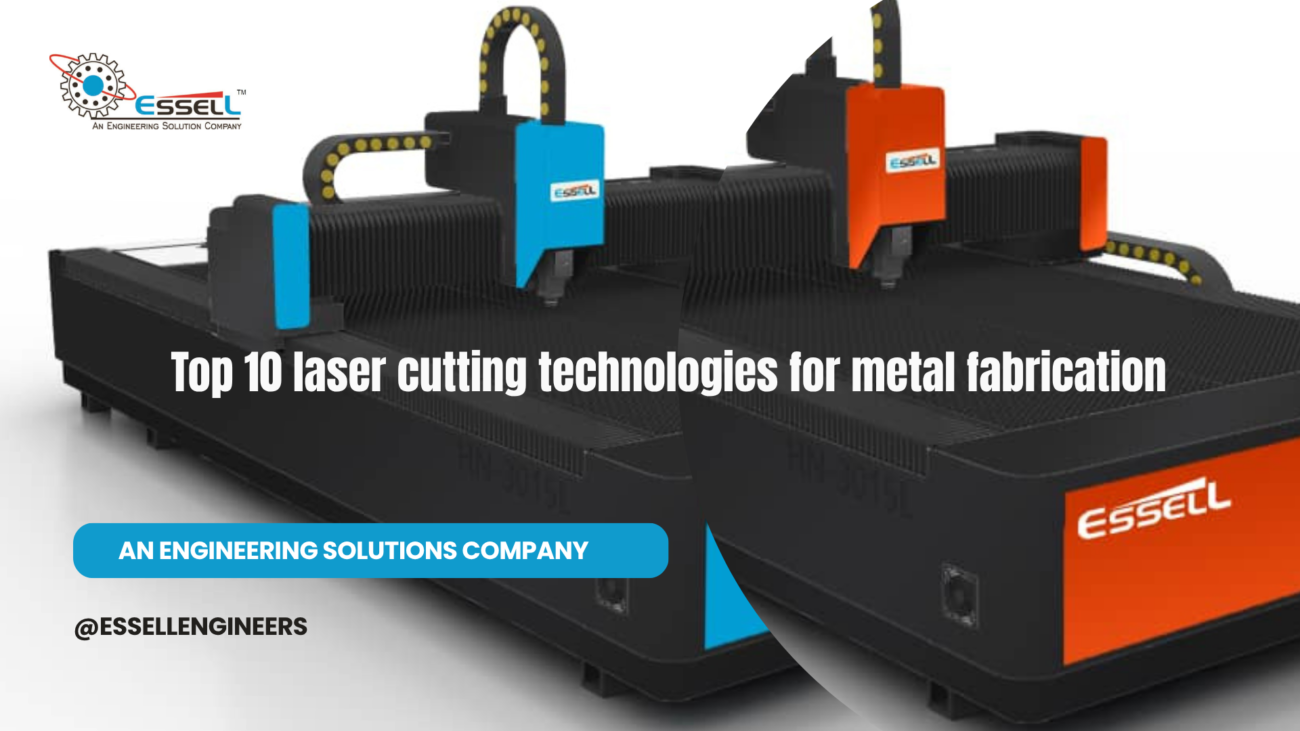
Fiber laser cutting is currently the most widely used technology in metal fabrication. This technology produces a high-intensity laser beam by transmitting light through specially treated optical fibers infused with rare-earth materials.
Why it stands out:
- extremely high energy efficiency
- ensures high-speed material cutting efficiency across light to mid-range metal thicknesses
- low maintenance costs
Fiber lasers are ideal for cutting materials like stainless steel, aluminum, brass, and copper. For Essell, this technology is a strong choice for high-volume precision work.
2. co2 laser cutting
CO2 laser cutting has been a reliable option for decades. it uses a gas mixture to produce the laser beam.
Key benefits:
- excellent for thick materials
- smooth edge finishes
- versatile across non-metals and metals
Although fiber lasers are replacing CO2 in many areas, CO2 lasers still hold value for specialized applications requiring superior edge quality.
3. crystal laser cutting
Crystalline lasers use solid-state crystals to generate beams, making them powerful for detailed cutting tasks.
advantages:
- high precision for intricate designs
- suitable for thin metals and fine engraving
However, they have higher operational costs and shorter lifespans compared to fiber lasers.
4. direct diode laser cutting
Direct diode lasers are gaining popularity due to their compact size and efficiency.
Why industries are adopting it:
- energy-efficient technology
- smaller footprint
- lower cooling requirements
This makes them suitable for small-scale or space-constrained fabrication units.
5. hybrid laser cutting systems
Hybrid systems combine fiber and CO2 technologies to leverage the strengths of both.
benefits include:
- flexibility across materials
- improved cut quality
- adaptability in mixed-production environments
For a company like essell, hybrid systems can offer versatility when handling diverse fabrication projects.
6. 2d laser cutting technology
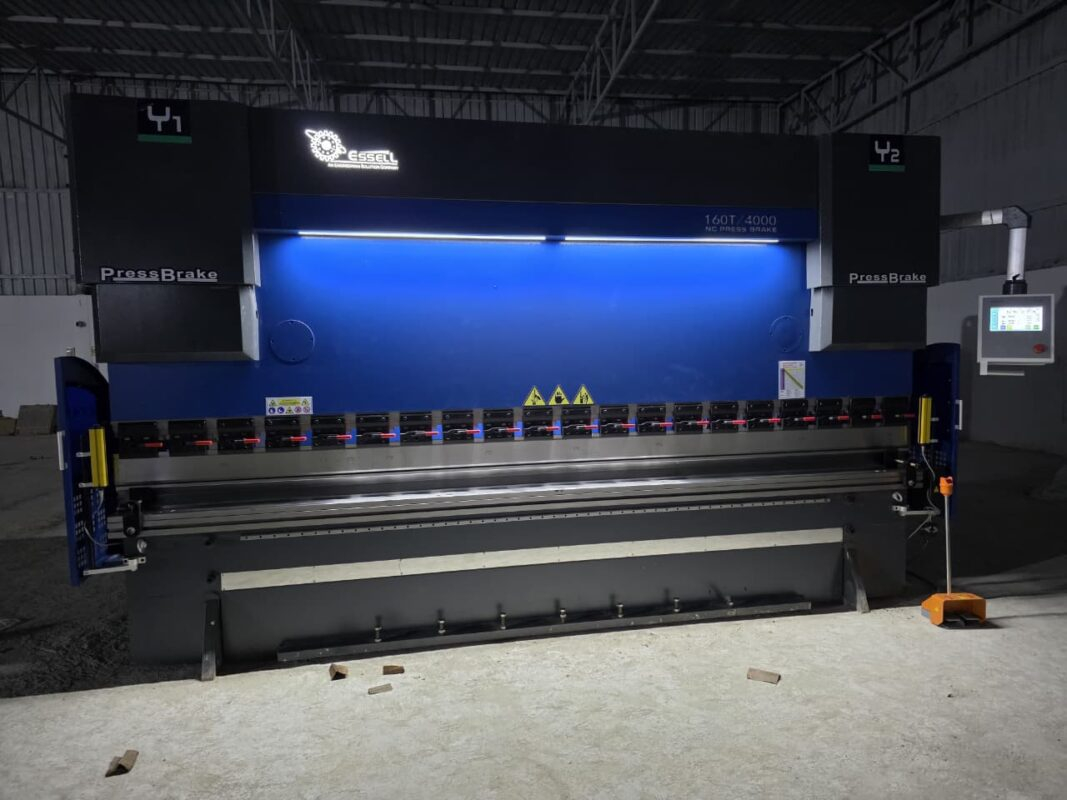
2d laser cutting is the most common method used in sheet metal fabrication.
features:
- flat surface cutting
- high-speed operations
- ideal for mass production
This technology is perfect for industries like automotive and electronics, where uniform components are required.
7. 3d laser cutting technology
3d laser cutting takes things to the next level by enabling cutting on complex geometries and curved surfaces.
Key applications:
- automotive components
- aerospace parts
- structural designs
it allows manufacturers to produce highly customized parts with precision, making it essential for advanced engineering solutions.
8. CNC laser cutting systems
CNC (computer numerical control) laser cutting integrates automation and digital control.
Why it matters:
- high repeatability
- minimal human error
- optimized material usage
CNC laser systems are critical for scaling production while maintaining consistent quality—an important factor for Essell’s engineering solutions.
9. pulsed laser cutting
Pulsed laser cutting delivers energy in bursts rather than a continuous beam.
best for:
- heat-sensitive materials
- detailed micro-cutting
- precision tasks
This method reduces heat-affected zones, ensuring cleaner cuts without material distortion.
10. ultrafast laser cutting
Ultrashort lasers use extremely short pulses measured in femtoseconds.
Why it’s revolutionary:
- near-zero thermal damage
- ultra-high precision
- ideal for microfabrication
Although expensive, this technology is becoming increasingly relevant in high-tech industries requiring extreme accuracy.
How to choose the right laser cutting technology
choosing the most suitable laser cutting approach requires careful evaluation of multiple technical and operational considerations:
- material type and thickness
- production volume
- precision requirements
- budget and operational costs
For a forward-thinking company like essell, investing in a mix of fiber and CNC laser cutting technologies can deliver both efficiency and scalability.
benefits of laser cutting in metal fabrication
Compared to conventional fabrication techniques, laser cutting delivers a range of performance and efficiency benefits:
- superior precision and accuracy
- faster production cycles
- reduced material waste
- minimal post-processing
- flexibility in design
These benefits make laser cutting an essential part of modern engineering and manufacturing processes.
future trends in laser cutting technology
The future of laser cutting is driven by innovation and automation. Key trends include:
- ai-powered cutting optimization
- smart manufacturing integration (industry 4.0)
- increased adoption of ultrafast lasers
- eco-friendly and energy-efficient systems
Companies that adopt these advancements early—like essell—can gain a competitive edge in the global market.
conclusion
Laser cutting technologies have revolutionized metal fabrication by offering precision, speed, and adaptability. From fiber lasers to ultrafast femtosecond systems, each technology serves a unique purpose depending on the application.
For Essell, leveraging the right combination of these technologies can unlock new levels of productivity and innovation. As the industry continues to evolve, staying updated with the latest laser cutting solutions will be key to long-term success.